
Flat Lay Photography for Instagram: The Brand-Ready Playbook
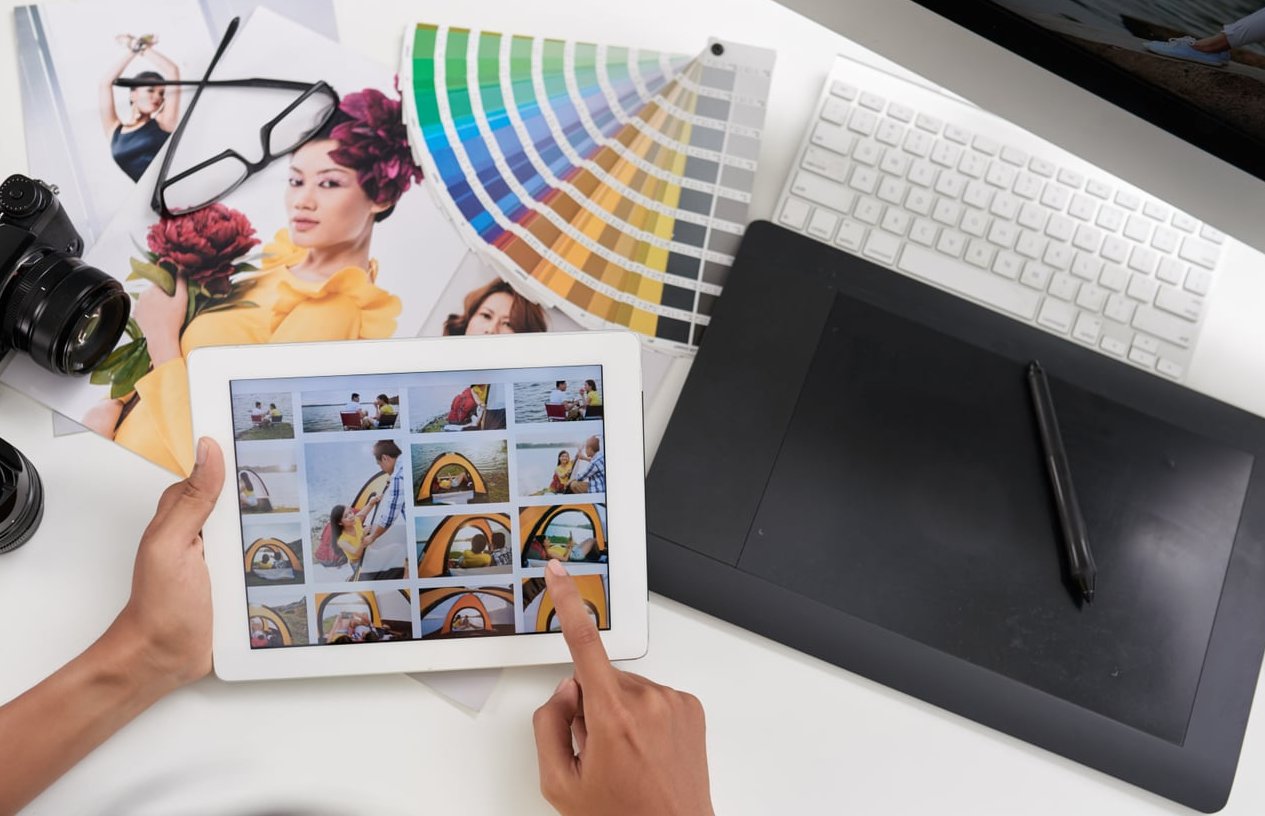
If your Instagram grid feels flat in the wrong way, the fix is rarely a fancier camera. It’s usually composition, light, and intention. Flat lay photography remains one of the most effective formats for brand content on Instagram in 2026 because it’s scroll-stopping, on-brand, and surprisingly forgiving once you understand the rules.
This walkthrough is built for brand owners, content creators, and small marketing teams who want to shoot flat lay photography for Instagram that actually converts attention into followers and sales. No studio required.
What Makes a Flat Lay Work on Instagram
An Instagram flat lay is a top-down photograph where products and props are arranged on a flat surface and shot from directly above. What separates a branded flat lay from a hobby shot is three non-negotiable elements:
- A focal hero (the product you actually want to sell)
- Supporting props that tell a lifestyle story
- A consistent visual signature (color palette, surface, lighting style)
If a viewer can guess your brand without seeing your logo, your flat lay system is working.
Step 1: Plan the Shot Before You Touch the Camera
The biggest mistake creators make is starting with the camera. Start with a shot brief, even a tiny one.
- Define the goal: feed post, carousel, Reel cover, ad creative.
- Pick the hero product.
- Choose a mood: minimal, maximalist, earthy, playful, editorial.
- Decide the aspect ratio: 4:5 for feed, 9:16 if it will live in Reels or Stories.
Sketch the layout on paper or in your Notes app. Two minutes of planning saves twenty minutes of reshooting.
Step 2: Choose Your Surface and Background
Your background does 50% of the styling work. Brand-friendly options include:
| Surface | Best For | Mood |
|---|---|---|
| Linen or cotton fabric | Skincare, jewelry, food | Soft, premium |
| Painted plywood board | Apparel, accessories | Editorial, clean |
| Marble or stone tile | Beauty, luxury goods | Elevated, cool |
| Craft paper or kraft | Stationery, food prep | Warm, artisan |
| Solid color vinyl | E-commerce catalog | Bold, modern |
Pro tip: pick two surfaces and stick with them across a quarter. Consistency builds a recognizable feed.

Step 3: Master Natural Light (the Free Secret Weapon)
Natural light is still the gold standard for Instagram flat lays because it renders product textures honestly and reads premium on mobile screens.
The Window Setup
- Shoot near a large window, ideally north-facing for soft, even light.
- Time of day: mid-morning (around 9 to 11 AM) or late afternoon for warmer tones.
- Avoid harsh midday sun directly on the set unless you want hard graphic shadows (which can be a deliberate style choice).
Shaping the Light
- Diffuse harsh light with a white sheer curtain or a translucent shower curtain.
- Bounce light back into shadows with a white foam board on the opposite side of your set.
- Block unwanted spill with a black foam board to add contrast.
If you shoot at night or in a windowless space, a single LED panel with a softbox at 45 degrees mimics window light convincingly.
Step 4: Nail the Camera Angle
True flat lay means 90 degrees, dead overhead. Even a few degrees off and the perspective gets distorted, which screams amateur on a grid.
- Use a tripod with a horizontal arm or an overhead rig.
- Phone shooters: a desk-mount gooseneck holder works perfectly.
- Turn on gridlines and the level indicator in your camera app.
- Lock focus on your hero product, not the background.
For phones, use the main wide lens, never the ultra-wide, which warps edges.
Step 5: Arrange Props with the 80/20 Rule
The 80/20 rule for flat lay branding: 80% of the frame supports the product, 20% is the product itself. The hero needs breathing room.
Composition Frameworks That Always Work
- Rule of thirds: place the hero on an intersection point.
- Diagonal flow: arrange props on an invisible diagonal line for visual movement.
- Symmetry: mirror props around a central hero for a clean, editorial look.
- Loose grid: ideal for kits, collections, or unboxing-style shots.
- Negative space: leave one third of the frame empty, perfect for adding text in carousels.
Prop Selection Checklist
- One textural element (linen, paper, leaves)
- One organic shape (flower, fruit, branch)
- One on-brand color accent
- One human-touch detail (steam, a hand, scattered seeds)
Less is almost always more. If a prop doesn’t support the product story, remove it.

Step 6: Build a Brand Color System
Color coordination is what makes a feed look like a feed and not a scrapbook.
- Pick one dominant color (60% of the frame).
- Pick one secondary color (30%).
- Pick one accent color (10%) that the eye lands on first, ideally tied to your product.
Save this palette as a swatch in Lightroom or your phone gallery. Reference it before every shoot.
Step 7: Edit for the Instagram Algorithm and the Eye
Flat lays often need slightly punchier editing than other formats because the entire image is judged at thumbnail size.
- Lift shadows slightly so props don’t disappear.
- Increase clarity and texture moderately on the product only (use masking).
- Pull saturation down 5 to 10 points for a premium feel, then boost the brand accent color selectively.
- Apply a subtle, repeatable preset across every flat lay so the grid feels cohesive.
Common Flat Lay Mistakes to Avoid
- Tilted overhead angle (use a level)
- Mixed light sources (window + warm bulb = color cast nightmare)
- Too many props competing for attention
- Cluttered or distracting backgrounds
- Shadows falling across the hero product’s logo or label
- Forgetting to wipe smudges off glossy products before shooting

Quick Gear List for Brand Flat Lays
| Tier | Gear |
|---|---|
| Starter | Smartphone, gooseneck mount, white foam board, window |
| Intermediate | Mirrorless camera, 35mm or 50mm lens, overhead tripod arm, diffusion fabric |
| Pro | Full-frame body, tethered laptop, LED panel with softbox, c-stand boom, vinyl backdrops |
Putting It All Together: a Repeatable Brand Workflow
- Plan the shot and aspect ratio
- Set the surface and palette
- Position the hero product first
- Add supporting props in layers, shooting test frames as you go
- Check light, level, and focus
- Capture a clean version, a styled version, and a negative-space version
- Edit with your brand preset and post
Three frames per setup gives you flexibility for feed posts, carousels, and Reels covers from a single session.
FAQ
Is flat lay photography still popular on Instagram in 2026?
Yes. While Reels dominate reach, flat lay images remain one of the highest-saving formats on the platform, especially for product, beauty, food, and lifestyle brands. Saves and shares signal value to the algorithm, which keeps flat lays relevant.
What is the 80/20 rule in flat lay photography?
It refers to the balance between supporting elements and your hero product. Roughly 80% of the frame should be background, props, and negative space, while 20% is the product itself. This keeps the hero clearly the focus without feeling crowded.
Do I need a professional camera for Instagram flat lays?
No. Modern smartphones produce more than enough quality for Instagram. The bigger investments that move the needle are good light, a stable overhead mount, and a curated set of props.
How many props should I use in a flat lay?
For a clean branded look, three to five elements including the hero product is the sweet spot. For maximalist or editorial styles, you can go higher, but every prop should earn its place in the story.
What is the best aspect ratio for Instagram flat lays?
Shoot wide and crop later. Capture in 4:3 or 3:2 to give yourself room, then crop to 4:5 for the feed (the tallest allowed format) and 9:16 if you plan to repurpose for Reels or Stories.
How do I keep my Instagram feed cohesive with flat lays?
Lock in three things and never change them mid-quarter: your color palette, your two main surfaces, and your edit preset. Cohesion comes from repetition, not from picking the most beautiful single shot.
Final thought: great flat lay photography for Instagram branding isn’t about owning more stuff. It’s about building a small, repeatable visual system that makes every product look like it belongs to your world. Start with one window, one surface, and one palette, and your feed will start to feel like a brand instead of a gallery.
0 Comments